November 6, 2026 · Pricing
Cheap AI was a subsidy. It is ending.
The end of cheap AI will not announce itself with a price rise. It will show up as a tighter rate limit, an expiring credit, and a model that quietly got smaller behind the same name.
The most honest sentence about AI economics this week was not in an earnings call. It was a line in a report about data centres fitting old jet engines because grid connections take too long to arrive.
Sit with that for a second. Companies are burning aviation fuel to generate tokens, and the constraint is not the model, it is the electricity. Meanwhile Apple is reportedly trimming budgets for internal AI usage, Dropbox spent $350 million on storage infrastructure, an inference startup doubled its valuation to $16 billion on demand, and OpenAI's president said the company could be ready to go public in 2027.
Four facts that look unrelated until you put them on one line: costs are real, capital is being committed, and the bill is arriving.
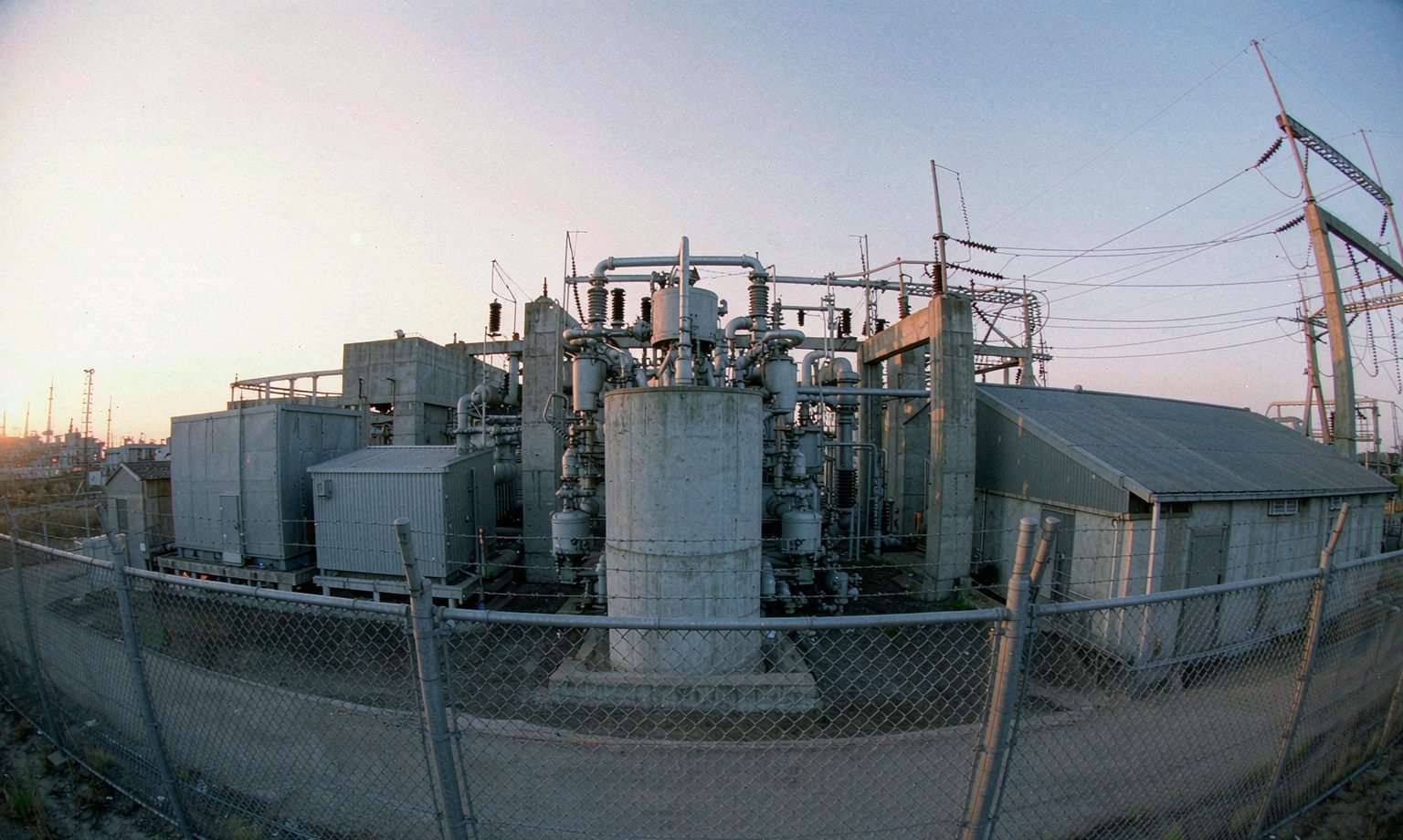
What a subsidy looks like from the inside
For three years the price of AI has been set by growth targets rather than by cost of service. That is the definition of a subsidy, and it is a rational thing for a company to do while it is buying market share. It stops being rational the moment the story has to become a profit-and-loss statement.
An IPO is exactly that moment. You cannot go to public investors with "we charge less than it costs and we will figure it out later". The moment a company starts preparing for a listing, every unit of inference becomes a line item with a margin attached.
The mistake is expecting this to arrive as a price increase on the pricing page. Vendors almost never do that first, because it is visible and it invites comparison. What they do instead is quieter:
- Rate limits tighten before prices move. The plan still says 2,000 generations. The fine print adds a per-minute ceiling you will only notice during a busy week.
- Credits start expiring. A monthly allowance that resets is a subscription. One that expires in 30 days is a usage cap with better marketing.
- The model behind the name gets smaller. Same product name, same price, faster and cheaper model underneath. Often fine. Occasionally the thing you bought in March is not the thing you have in November.
- "Unlimited" becomes "fair use". And fair use is defined by the vendor, at the moment it becomes expensive for them.
- Support moves behind a tier. The channel that answered in four hours in 2025 now answers in two days unless you upgrade.
None of these are dishonest. They are what a company does when a subsidy ends and it would rather not print a new price list.
Why export desks get hit harder than most
Two reasons, and neither is about AI.
The first is seasonality. Export operations are not evenly distributed across the year. If your peak is Q4 and your plan was sized on a quiet February, a tightened rate limit arrives at the worst possible moment — the week you are quoting forty containers, not four.
The second is that the contract you signed in a cheap year renews in a different one. Annual commitments signed in early 2025 were signed in a market where every vendor was discounting to win logos. Those renewals are landing now, and the person negotiating them is often the same person who signed the original, with the same assumption that the number only goes down.
We have watched two teams this year discover that their "locked" annual price had a clause allowing a model change without notice. Both found out because output quality dropped, not because anyone told them.

What we would do before the next renewal
This is not an argument for buying less AI. The tools are still the cheapest labour in the building. It is an argument for signing like the price is a variable rather than a floor.
Buy the shortest commitment that covers one full peak. If your busy season is three months, a quarterly contract with a renewal option beats an annual discount. You are paying a premium for the right to reprice, and in a market that is still moving, that premium is usually worth it.
Ask for the downgrade path in writing. Not the upgrade path — every vendor has a slide for that. Ask what happens if they swap the model, whether you get notice, and whether you can exit if the output changes materially. The answer tells you how they think about customers.
Model the cost at peak, not average. Take your busiest month, multiply by the unit price, and compare that number to the plan you are being sold. Most plans are sized for average usage and priced for peak anxiety.
Keep a second tool warm. Not a full duplicate — one alternative that is 80% as good, used once a month on a real task. It costs almost nothing and it is the only leverage you have when a renewal goes badly.
Treat the renewal date as a risk date. Put it in the same calendar as your freight cut-offs. It is the day a vendor can change your unit economics without changing anything you can see.
The part that does not change
Cheap inference was never the reason these tools were worth using. It made the experiment free, which is why so many teams tried things they would otherwise have skipped. That was genuinely valuable, and it is over.
What survives is narrower and more durable: a handful of tools that remove real hours from real tasks, priced at something closer to what they cost to run. Those are still worth buying. The mistake is signing as if the discount is permanent and the switching cost is zero, because only one of those was ever true.
We track list prices and plan limits for every tool in the library, and we re-check them each quarter. When a vendor changes a limit without changing the price, we note it on the listing — that is usually the first sign of a subsidy ending.