November 10, 2026 · Review
Five AI tools for quotations, tested on one real RFQ
Fourteen line items, three currencies, two incoterms and a column of tolerances that matters more than the price. We ran the same document through five kinds of tool and scored what came back.
Before we start: no vendor paid for this, nobody got a preview, and none of the links below are affiliate links. That is the whole reason you can trust the scores.
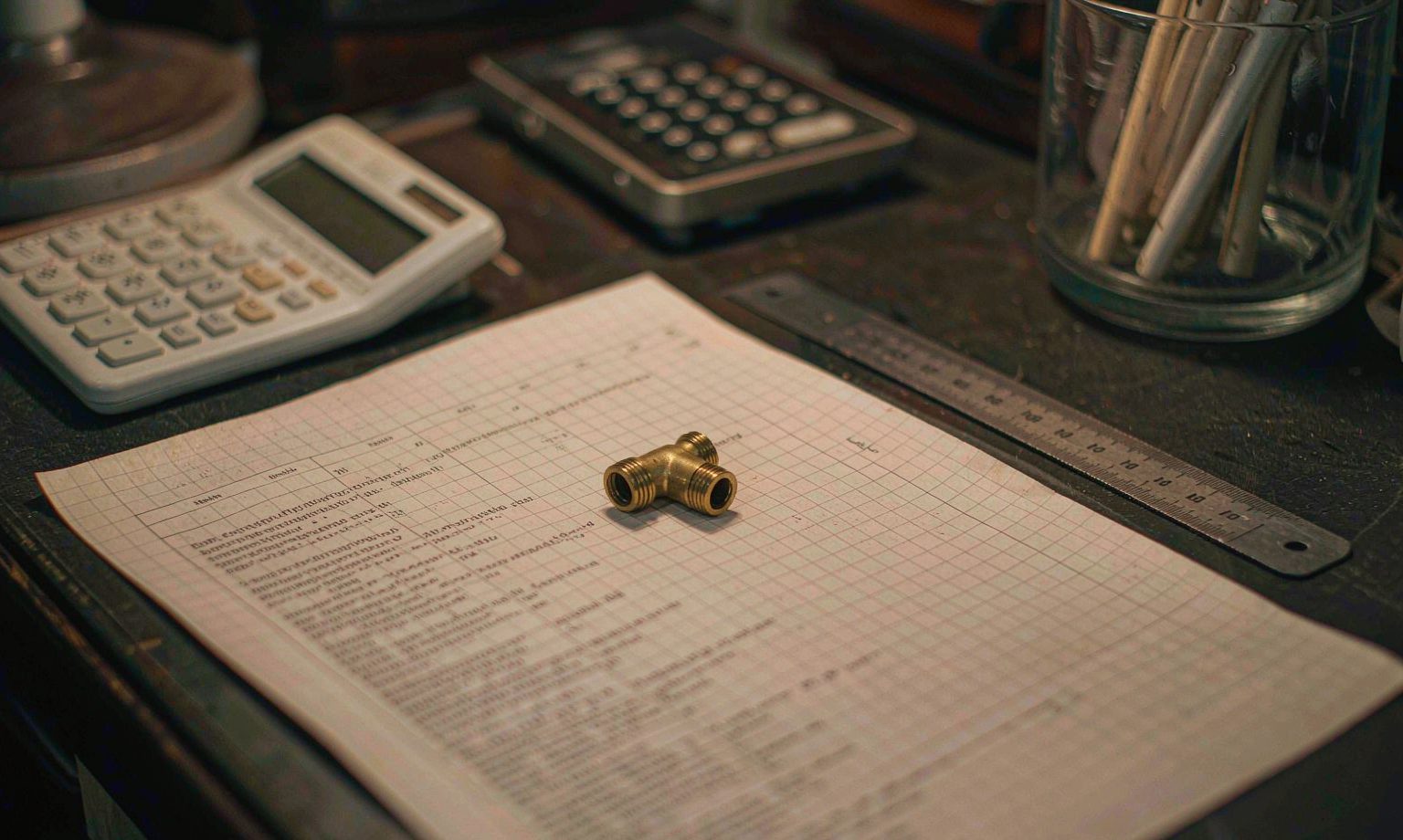
The test document is a real RFQ from a German distributor. Fourteen line items, mixed units — pieces, metres, sets — three currencies, two incoterms, and a column of tolerances that matters more than the price. I stripped the customer's name and ran it through five kinds of tool.
1. General chat model
Good at reading the structure and telling me what was ambiguous. Bad at arithmetic across fourteen rows. It got the totals right twice out of five runs, and once invented a unit price that was not in the document. Useful as a reader, dangerous as a calculator.
2. OCR plus spreadsheet
The least glamorous combination and the winner. OCR pulled the table with two errors — a one read as a seven, a decimal shifted — the spreadsheet did the maths, and I fixed the two cells in ninety seconds. Total time: eleven minutes for a job that normally takes forty.
3. A document-generation tool
Once the numbers were settled, this produced a clean quotation PDF with our terms in the right places. It does not know what a tolerance is, but it does not need to. It saved maybe fifteen minutes of formatting.
4. Translation
Machine translation handled the German technical terms better than I expected, with one miss: "Festigkeit" rendered as "stability" where the customer meant tensile strength. I caught it because the sentence read oddly, which is not a reliable method.
5. A quote automation platform
Signed up for a trial, gave it the same RFQ, and it produced a beautiful quote with a six percent margin error baked in because it mapped our cost column to the wrong currency. This is the category that worries me most, because the output looks more trustworthy than the others.
The near-miss
Asked to double-check the total, the chat model produced a number that was four percent off and explained it confidently. If I had pasted that into the reply, we would have quoted low on a €40,000 order and found out at the invoice.
What I would actually use
OCR for the table, a spreadsheet for the maths, a human for the sign-off. A document tool for the final PDF once the numbers are frozen. Translation as a second pass, never as the only pass. And nothing that promises to automate quoting end to end — not yet.
The pattern across all five: AI is excellent at the parts of a quote that are language, and unreliable at the parts that are numbers. Every tool that hides the numbers behind a nice interface is selling you a confidence you have not earned.
How this gets paid for. Testing like this takes a week nobody bills for. If you want more of it, the sponsorship page is how it keeps happening — no strings, no influence on the scores, and the running total is public.
We publish the pricing model, minimum commitment and export-readiness notes for every tool in the library, and we flag it when a vendor changes one without changing the headline price.