November 8, 2026 · Infrastructure
The constraint on AI moved to a county meeting
Chips were the bottleneck for three years. This week the story was zoning, water rights and an election result — and that reaches your invoice through a fair-use clause, not a price list.
For three years the binding constraint on AI was silicon. This week it looked more like a county planning meeting.
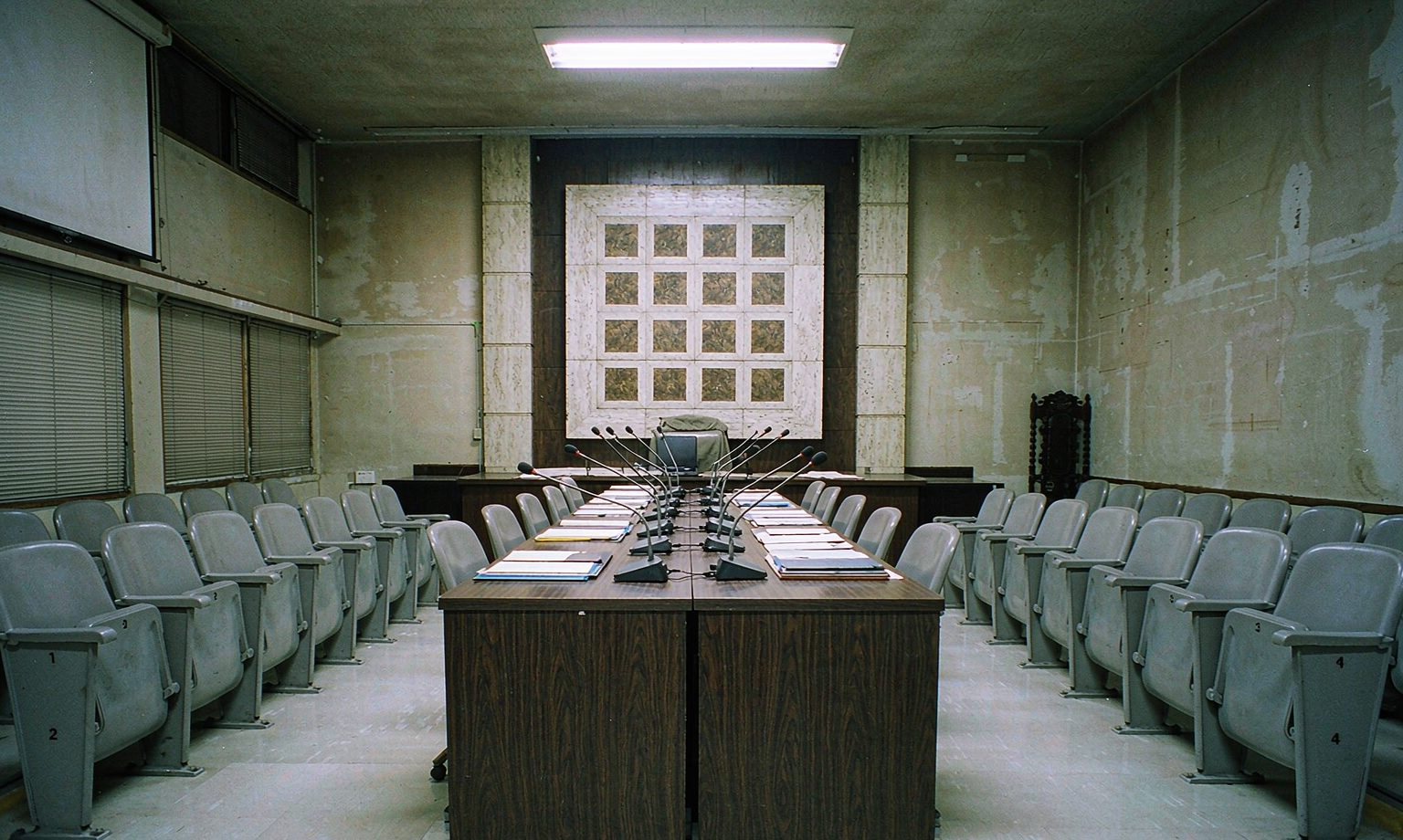
After Tuesday's midterms, reporting turned to how data centers fared on local ballots, and the answer was not well. Meta had already warned that election backlash against data centers could make its expansion harder. On Friday, Crusoe sold a troubled Wyoming data center project to Google. None of that is a model announcement. All of it changes what you pay.
A data center is not a software product. It is a 300-megawatt industrial customer that needs transmission capacity, water, and a local government willing to be photographed next to it.
Two clocks
Model releases run on a quarterly clock. Substations, permits and water rights run on a five-year one. When the slow clock slips, the fast clock does not wait — it ships anyway, into whatever capacity already exists.
The visible result is not an outage. It is a set of quiet adjustments: quotas held back for enterprise contracts, price differences by region, longer waits for new capacity, and "unlimited" plans that quietly acquire a fair-use clause with teeth.
Where it reaches your invoice
Fair use. Unlimited is a capacity bet. If the plan says "unlimited, subject to reasonable use", the definition of reasonable is the actual product. Read it before you build a workflow on top of it.
Model substitution. Vendors increasingly reserve the right to route requests to a cheaper model when capacity tightens. Ask for notice. Ask what happens to the quality guarantee when they exercise it.
Region. Inference runs somewhere specific. If customer data has to stay in the EU, "somewhere" is a contract term, not a technical detail, and moving regions later is a migration.
Notice periods. A thirty-day price-change clause is a thirty-day warning that your unit economics are about to move. Thirty days is not enough to renegotiate anything.
What vendors do when capacity is tight
They rarely raise the list price first. They introduce a cheaper tier with tighter limits, move heavy users onto committed contracts, and add regional pricing that reflects local power costs. The headline number stays where it was while the effective price climbs.
This has happened before, in cloud compute and in container shipping. The sequence is consistent: rationing first, repricing later, and the risk pushed onto the customer through terms rather than rates.
The counter-argument is decent
There is an enormous amount of capacity under construction. If half of it lands on schedule, this reverses and compute gets cheap again. I would not bet against that by 2028. I also would not bet my first-quarter 2027 renewal on it.
The political risk is also unusually local, which makes it invisible on a dashboard. A county board can delay a project by eighteen months and nothing shows up in a benchmark, a changelog or a pricing page.
If you never buy compute directly
Most companies reading this do not sign power contracts. They buy software, and the transmission is indirect but real. A tool vendor's gross margin depends on inference cost. When that cost rises, the vendor has three options: raise prices, shrink the allowance, or make the product slightly worse. Two of those never appear on a pricing page.
So the useful question at renewal is not "did the price change" but "did the plan change". Same number, smaller allowance, is a price increase that has been dressed to look like nothing.
Treat it like freight
Anyone who ships goods already knows this discipline. You do not assume a container will be available at the spot rate on the day you need it. You book capacity, you keep a second forwarder, and you know what switching costs before you are forced to switch.
Do the same with inference. Measure your monthly token volume instead of guessing it. Keep a second provider warm, with a fallback you have actually tested. Put notice periods and substitution terms in writing. Price the migration once a year so it is a number rather than a fear.
None of this is exciting. It is also the difference between a vendor raising your bill and a vendor explaining why they cannot serve you at all.
We publish the pricing model, minimum commitment and export-readiness notes for every tool in the library, and we flag it when a vendor changes one without changing the headline price.